Periodontal Treatment Ventura: Early Detection and Better Outcomes

Most people think of dental problems in terms of cavities, broken fillings, or a toothache that keeps them up at night. Gum disease is different. It usually advances quietly, often without dramatic pain, and by the time a patient notices obvious changes, the supporting structures around the teeth may already be under stress. That quiet progression is exactly why early diagnosis matters so much.
When people search for Periodontal Treatment Ventura, they are often already worried about bleeding gums, bad breath, gum recession, or loose teeth. Sometimes they have been told at a routine cleaning that their gums need more than a standard polish. Sometimes they have noticed something is off for months and hoped it would settle down on its own. In practice, those early months can make a real difference. The gap between mild inflammation and measurable bone loss is where outcomes often diverge.
The encouraging part is that periodontal disease is treatable, and in many cases very manageable, especially when it is caught early. The goal is not simply to clean the teeth. It is to control infection, reduce inflammation, preserve bone, stabilize the bite, and help patients keep their natural teeth for as long as possible.
Why periodontal disease deserves prompt attention
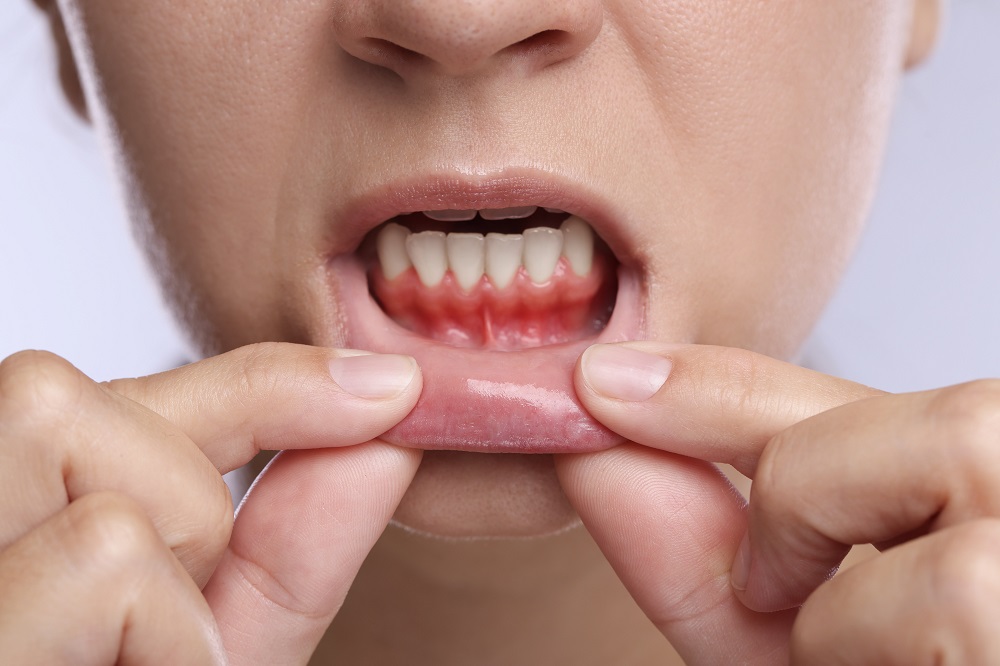
Periodontal disease begins with bacterial plaque, but it does not stay that simple. https://franciscosxtp524.westhavenscope.com/posts/why-early-periodontal-treatment-in-ventura-matters Once plaque is allowed to accumulate around the gumline and below it, the body responds with inflammation. In the earliest stage, gingivitis, the gums may appear puffy, red, and prone to bleeding. At that point, the damage is generally reversible. The supporting bone has not yet been lost.
The problem is what happens when gingivitis is ignored or underestimated. In susceptible patients, that inflammation progresses into periodontitis, where the attachment between the tooth and surrounding structures begins to break down. Pockets deepen, bacteria gain access to areas that are harder to clean, and the disease can take on a self-perpetuating pattern. The gums may no longer bleed as obviously, which can fool people into thinking the situation has improved. In reality, the tissue can become chronically infected while the damage continues below the surface.
I have seen patients who were surprised to learn they had advanced gum disease because they had little pain. One man in his fifties came in because a lower front tooth felt slightly different when he bit into an apple. He expected a minor adjustment. His X rays showed moderate to severe bone loss around several teeth. He was not neglectful, just unaware that occasional bleeding during brushing and a little recession were warning signs, not cosmetic quirks.
That pattern is common. Periodontal disease is often easier to treat than to feel.
What early detection actually looks like
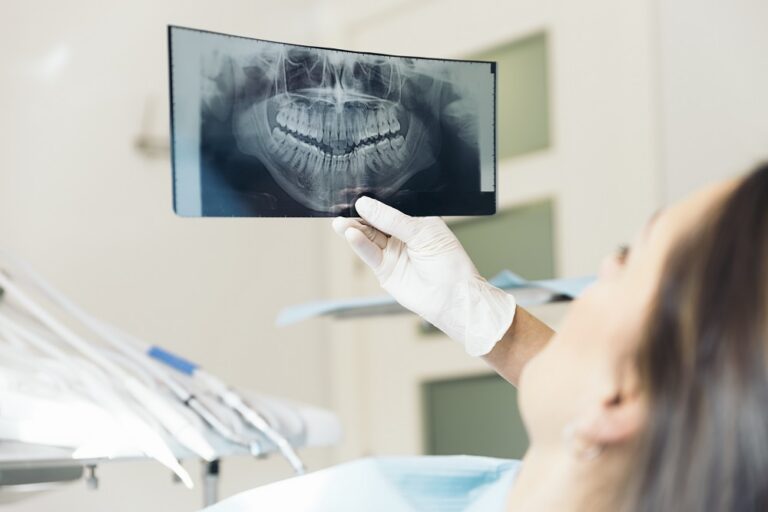
Early detection is not guesswork. It relies on a combination of clinical examination, periodontal charting, radiographs, and patient history. A thorough exam looks at more than whether the gums seem “healthy enough” at a glance.
A dentist or periodontist will usually assess pocket depths around each tooth, bleeding on probing, areas of recession, tooth mobility, furcation involvement in molars, plaque retention patterns, and radiographic bone levels. Those details matter because two mouths can look similar in the mirror and require very different treatment.
For example, a patient with generalized 4 millimeter pockets and bleeding may respond well to nonsurgical therapy and meticulous home care. Another patient with isolated deeper defects around a few teeth may need more targeted intervention, possibly even surgery, despite otherwise decent hygiene. Clinical judgment matters because periodontal disease is not evenly distributed or equally aggressive in every patient.
Medical history also shapes diagnosis. Diabetes, tobacco use, dry mouth, certain medications, clenching or grinding, and immune-related conditions can all influence how periodontal disease behaves. So can life stage. Pregnancy, menopause, and periods of heavy stress can amplify inflammatory responses in some patients. It is not unusual for a person to say, “I have always brushed and flossed the same way, so why is this happening now?” The answer often lies in a mix of local factors and whole-body changes.
The signs patients should never ignore
Gum disease rarely announces itself with one dramatic symptom. More often, it shows up in patterns. Bleeding when brushing is one of the biggest missed signals. Many people still assume bleeding means they need to brush less aggressively or avoid flossing that area. In reality, healthy gums do not usually bleed with normal brushing and flossing.
Persistent bad breath is another common clue. So are gums that seem to be “pulling back,” teeth that look longer than they used to, tenderness when chewing, or spaces opening between teeth that were not there before. Some patients first notice that food packs more easily between certain teeth. Others realize their bite feels slightly off, or a nightguard no longer fits the same way.
Here are a few warning signs worth taking seriously:
- Bleeding during brushing or flossing that happens repeatedly
- Gum recession or teeth appearing longer
- Chronic bad breath or a persistent bad taste
- Teeth that feel loose, shift, or trap food more easily
- Swollen, tender, or puffy gum tissue
Any one of these signs warrants an exam. A combination of them raises the stakes.
Why early treatment changes the outcome
There is a meaningful difference between treating inflamed gums and rebuilding support that has already been lost. Once bone is gone, the body does not simply replace it because the area was cleaned. Regenerative procedures can help in selected cases, but they are technique-sensitive and not appropriate everywhere. That is why clinicians place so much emphasis on intervention before the architecture of support is significantly altered.
Early treatment tends to be less invasive, more comfortable, less expensive, and more predictable. When disease is identified at the gingivitis stage, the response may be a professional cleaning, better home care instruction, and more frequent maintenance for a period of time. If early periodontitis is present, scaling and root planing, sometimes called deep cleaning, may be enough to disrupt the bacterial burden and allow the tissue to heal.
By contrast, advanced disease may involve deeper pockets that do not resolve with nonsurgical treatment alone, areas of vertical bone loss, tooth mobility, bite instability, or the need to coordinate periodontal care with restorative or implant planning. The longer infection persists, the more complicated the decision-making becomes.
This matters financially as well as biologically. Patients are often relieved to learn that addressing gum disease early can help avoid future costs tied to extractions, bone grafting, complex prosthetics, or emergency visits for abscesses and fractured teeth.
What periodontal treatment in Ventura may involve
The phrase Periodontal Treatment Ventura can describe a broad spectrum of care, from conservative maintenance to advanced surgical therapy. The right approach depends on severity, anatomy, risk factors, and whether the patient can realistically maintain the result.
A thorough treatment plan often begins with education. Patients deserve to understand not just what will be done, but why. If there are deep pockets around the molars because of old restorations with overhangs, that should be explained. If clenching is contributing to mobility, that needs to be part of the conversation. If uncontrolled diabetes is undermining healing, it is important to say so clearly and respectfully.
Common treatment approaches include:
- Nonsurgical periodontal therapy such as scaling and root planing
- Local or systemic antimicrobial support in selected cases
- Periodontal maintenance at shorter intervals than standard cleanings
- Surgical pocket reduction or regenerative procedures when needed
- Management of contributing factors such as smoking, grinding, or poorly contoured dental work
Not every patient needs every option. In fact, one of the hallmarks of good periodontal care is restraint. Overtreatment is not a virtue. If a patient can be stabilized with nonsurgical therapy and careful maintenance, that is often the best path. On the other hand, delaying surgery when it is clearly indicated can compromise teeth that might otherwise be saved.
Deep cleaning is not “just a stronger cleaning”
Scaling and root planing is often misunderstood. Patients sometimes hear the phrase “deep cleaning” and assume it is a routine cleaning plus a little extra effort. It is more deliberate than that. The aim is to remove plaque, calculus, and bacterial toxins from below the gumline and smooth root surfaces so inflamed tissue has a better chance to reattach and tighten.
For many patients, this is the turning point. Bleeding decreases, gums feel less swollen, breath improves, and pocket depths may shrink as inflammation resolves. That said, the response is not identical in every mouth. If deep pockets remain after healing, especially in difficult-to-access areas, more advanced therapy may still be necessary.
Technique matters. So does follow-up. Periodontal charting after treatment helps determine whether the infection has actually been brought under control or merely reduced temporarily. A patient may feel better within days, but the true measure is what the tissues and pocket readings look like over the next several weeks and months.
When surgery becomes the better option
Periodontal surgery carries emotional weight for patients, often more than it should. The word itself can trigger images of a major ordeal. In reality, modern periodontal procedures are often precise, localized, and very manageable with local anesthetic and thoughtful postoperative care.
Surgery is generally considered when nonsurgical treatment leaves residual deep pockets, when certain defects are amenable to regeneration, when gum recession requires root coverage, or when access is needed to thoroughly clean and reshape compromised areas. There are also cases where crown lengthening, grafting, or implant site development becomes part of the bigger restorative picture.
The trade-offs deserve honest discussion. Surgery can improve access, reduce pocket depth, and create a more maintainable environment. It also involves healing time, cost, and the possibility that some recession or root sensitivity may become more noticeable afterward. In the right case, however, those trade-offs are worthwhile because the alternative is ongoing infection and progressive support loss.
Patients generally do best when expectations are practical. The goal is not to create “perfect” gums in a cosmetic sense. The goal is to establish health, function, and a stable condition that can be maintained over time.
The maintenance phase is where long-term success is won
One of the biggest misconceptions in periodontal care is that treatment ends when the active infection is reduced. It does not. Periodontal disease is better understood as a chronic condition with periods of stability and periods of risk. Once a patient has shown susceptibility, routine six-month cleanings may not be enough.
Periodontal maintenance is different from a standard prophylaxis. It is more focused on managing sites with a history of disease, monitoring pocket depths, checking bleeding points, reassessing risk factors, and disrupting bacterial recolonization before it becomes destructive again. For many patients, three- or four-month intervals are appropriate, at least for a substantial period.
This is where habits either reinforce the gains from treatment or quietly undo them. I have seen excellent surgical results fail because the maintenance schedule slipped for a year and home care never adapted. I have also seen patients with initially discouraging disease stabilize beautifully because they committed to the recall plan, changed their brushing technique, used interdental aids consistently, and addressed smoking or blood sugar control.
The point is not perfection. It is consistency.
What patients can do at home that truly helps
Home care advice is often given too quickly and too generally. “Brush and floss better” is not a plan. Patients need specific, usable guidance that matches their anatomy, dexterity, and habits. Someone with tightly spaced lower incisors may need a different approach than someone with bridgework, exposed roots, or furcation areas around molars.
A soft toothbrush used thoroughly is usually better than a hard one used aggressively. Power brushes can be excellent for patients who rush or apply uneven pressure. Interdental brushes are often more effective than floss in larger spaces, while floss threaders or water flossing devices may help around fixed dental work. Antimicrobial rinses can be useful in some situations, though they are not substitutes for mechanical plaque removal.
Just as important is understanding what not to do. Scrubbing harder does not cure bleeding gums. Skipping sore areas because they bleed usually makes the problem worse. Overuse of whitening products can distract from the real issue if inflammation is the primary cause of an unattractive gumline.
The best home care plan is one a patient will actually follow. That sounds obvious, but it is where many recommendations fail. A two-minute method done every day beats a complicated routine abandoned after a week.
Ventura patients often ask, “Can my teeth still be saved?”
That question usually comes with fear, and it deserves a direct answer. Many teeth affected by periodontal disease can be saved, even when the situation looks significant at first. But not every tooth should be saved at any cost. Sound treatment planning means weighing prognosis honestly.
A tooth with moderate bone loss, manageable mobility, and a patient who is committed to maintenance may have years or decades of service left. A tooth with severe attachment loss, recurrent infection, root fracture, or poor strategic value in the overall bite may not be the best candidate for heroic treatment. Extracting a hopeless tooth can sometimes improve the prognosis for the rest of the mouth.
This is one reason experience matters in Periodontal Treatment Ventura. Good care is not about automatically choosing the most aggressive procedure or the most conservative one. It is about reading the biology, the radiographs, the patient’s goals, the restorability of the teeth, and the likelihood that maintenance will happen in real life.
The best plans are individualized. A retired patient with time, stable health, and excellent home care may reasonably choose to preserve a compromised tooth with advanced therapy. A younger patient with heavy smoking, poor attendance, and extensive untreated disease may be better served by a phased approach that focuses first on infection control and realistic stabilization.
The connection between gum health and overall health
It is wise to discuss this area carefully. Gum disease does not mean a person will develop broader health problems, and broad health problems do not always produce severe periodontal disease. Still, there is a well-established relationship between chronic inflammation in the mouth and systemic conditions, especially diabetes.
Poorly controlled diabetes can worsen periodontal disease, and active periodontal infection can make glucose management more difficult. That two-way relationship is seen often enough in practice that it should be part of every serious discussion. Smoking has an equally important effect. It changes the tissue response, can mask bleeding, slows healing, and significantly increases risk of recurrence.
Cardiovascular and pregnancy-related discussions are more nuanced and should stay grounded. The responsible message is not alarmism. It is that the mouth is part of the body, chronic infection is not ideal anywhere, and maintaining periodontal health is one practical step toward supporting overall wellness.
Choosing care early is usually the smartest move
There is a moment in many periodontal consultations when the path becomes clear to the patient. They realize the issue is not that their gums are “a little sensitive.” It is that the foundation around the teeth is under pressure, and delaying care gives the disease more time to damage support that is hard to recover once lost.
That recognition is valuable, because early action changes the entire trajectory. It can mean treating gingivitis before it becomes periodontitis. It can mean stopping moderate disease before teeth loosen. It can mean keeping treatment nonsurgical when surgery might otherwise become necessary. It can also mean preserving natural teeth that still have every chance to function well for years.
For anyone considering Periodontal Treatment Ventura, the best next step is not to wait for pain. It is to get a careful periodontal evaluation, understand the findings clearly, and begin treatment while the options are broader and the outcomes more predictable. Gum disease is common, but silent does not mean harmless. Caught early, it is often far more manageable than patients expect.
Avra Dental
Address: 1708 S Victoria Ave B, Ventura, CA 93003
Phone number: (805) 941-1001
FAQ About Periodontal Treatment Ventura
Can a dentist get rid of periodontal disease?
A dentist or gum specialist (periodontist) cannot fully cure or reverse advanced periodontal disease (periodontitis), but they can successfully stop its progression and manage the infection.
Is periodontitis very serious?
Yes, periodontitis is a very serious, advanced form of gum disease that destroys the bone and tissues supporting your teeth.
How is stage 2 periodontal disease treated?
Stage 2 periodontal disease (early to moderate periodontitis) is primarily treated with non-surgical deep cleaning procedures like scaling and root planing to remove bacteria and tartar below the gumline.