How Regular Checkups Reduce the Need for Major Periodontal Treatment
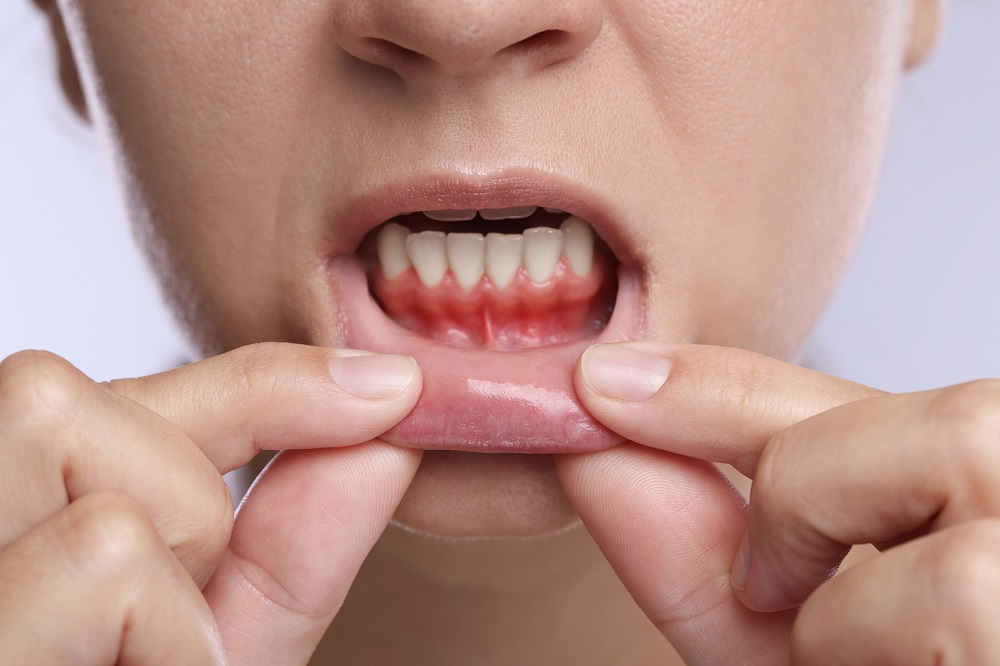
Most people do not wake up one morning needing advanced gum care. Periodontal problems usually build slowly, often quietly, over months or years. That is exactly why regular dental checkups matter so much. They give your dentist or hygienist a chance to spot subtle changes before those changes turn into bone loss, loose teeth, gum recession, infection, or the kind of extensive Periodontal Treatment that takes time, money, and patience to complete.
From a clinical standpoint, gum disease is rarely dramatic in its early stages. A patient may feel perfectly fine while plaque hardens into tartar under the gumline and inflammation begins to spread. There may be a little bleeding when flossing, slightly puffy gums, or a persistent bad taste that is easy to ignore. By the time chewing feels different or a tooth starts to shift, the disease process has often been active for quite a while.
That gap between what a patient feels and what is actually happening is one of the strongest arguments for preventive care. Regular checkups close that gap. They turn hidden problems into visible ones and manageable problems into small interventions instead of major procedures.
Gum disease rarely starts with pain
One of the biggest misconceptions about periodontal disease is that it announces itself clearly. In reality, early gum disease, usually gingivitis, can be almost painless. Gums may bleed a little during brushing, but many people assume they brushed too hard. Mild swelling gets written off as temporary irritation. Bad breath gets blamed on coffee, stress, or not drinking enough water.
Clinically, though, those small signs matter. Bleeding gums are not normal. Healthy gum tissue does not bleed easily. When it does, it often reflects inflammation caused by bacterial buildup at the gumline. If that buildup is removed promptly and home care improves, the tissue can often recover fully. If it stays in place, especially below the gums where a toothbrush cannot reach effectively, gingivitis can progress to periodontitis.
That progression is where the stakes change. Gingivitis affects the soft tissues. Periodontitis affects the supporting structures around the teeth, including bone. Once bone loss enters the picture, the goal is no longer simply to calm inflammation. It becomes a matter of managing structural damage, controlling deeper infection, and trying to preserve teeth over the long term.
Regular checkups help because they catch disease in the reversible or more controllable stages. That is not a slogan. It is the practical difference between a routine cleaning and scaling, versus deep cleaning, localized antibiotic therapy, gum surgery, grafting, or long-term periodontal maintenance after major Periodontal Treatment.
What your dentist sees that you might miss
Patients often judge oral health by comfort and appearance. If nothing hurts and the teeth look acceptable in the mirror, they assume things are fine. The problem is that periodontal disease develops in places people do not routinely inspect and in ways they cannot reliably measure.
A routine checkup is doing more than many patients realize. The dentist or hygienist is assessing gum color, contour, bleeding, plaque accumulation, tartar deposits, pocket depths, recession patterns, tooth mobility, bite forces, and changes from previous visits. Radiographs, when indicated, can show bone levels and reveal patterns of attachment loss that would never be obvious at home.
Even a few millimeters matter. A gum pocket that deepens from 3 mm to 5 mm may not sound dramatic to a patient, but clinically it can signal an environment where bacteria thrive and normal cleaning becomes harder. Likewise, early recession may look cosmetic at first, yet it can point to brushing trauma, bite stress, clenching, or active periodontal breakdown.
There is also value in comparison over time. A single exam offers a snapshot. Regular checkups create a timeline. That timeline helps clinicians distinguish a stable mouth from one that is changing gradually. In practice, that often makes the difference between watchful prevention and delayed intervention.
The quiet role of professional cleaning
A toothbrush and floss, even used faithfully, have limits. Once plaque mineralizes into tartar, it adheres firmly to tooth surfaces and cannot be removed at home. Tartar creates a rough surface that attracts more bacterial accumulation, especially near and below the gums. That environment fuels persistent inflammation.
Professional cleanings disrupt that cycle. They remove deposits from areas that patients miss, polish rough surfaces, and reduce the bacterial burden before it has a chance to settle deeper. For patients with healthy gums, this may be enough to keep tissues stable. For patients with early inflammation, it may be the intervention that prevents escalation.
This is where regularity matters more than intensity. Waiting several years and then getting a very thorough cleaning does not undo a long period of unchecked inflammation as effectively as consistent maintenance every six months, or more often if risk factors are present. In periodontics, intervals matter. Disease processes keep moving even when life gets busy.
I have seen many cases where patients returned after an extended gap saying some version of, “I thought if I brushed better for a few weeks before the appointment, I’d be okay.” Better brushing helps, of course, but it does not erase hardened deposits or repair the tissue changes that developed over time. The mouth usually tells the truth once it is examined carefully.
Early treatment is simpler, less invasive, and less expensive
When clinicians talk about prevention, they are not only talking about avoiding disease altogether. They are also talking about shrinking the size of the problem if it appears. That is often a more realistic and more useful way to think about regular care.
A patient with mild gingival inflammation may need improved home care instruction, a routine cleaning, and a recheck. A patient who delays for years may need scaling and root planing, localized antimicrobials, several follow-up visits, periodontal charting, maintenance visits every three or four months, and perhaps referral to a periodontist for surgical evaluation. If teeth have become mobile or bone loss is severe, prosthetic planning may enter the conversation too.
The cost difference is obvious, but the personal cost is just as significant. More advanced Periodontal Treatment usually means more appointments, more local anesthetic, more healing time, more disruption to work schedules, and more uncertainty. Some patients also carry guilt when they finally come in, which can make an already stressful situation harder. A regular checkup reduces the chance of all of that, not by magic, but by keeping small problems small.
Why timing matters more than people think
There is a tendency to view checkups as optional if daily brushing is solid. Good home care absolutely matters, but timing still matters because oral bacteria repopulate continuously. Plaque formation is not a once-a-year event. It is a daily process. So is the body’s inflammatory response.
If a patient is prone to tartar buildup, six months may be an appropriate interval. If they have a history of periodontitis, diabetes, smoking, dry mouth, crowded teeth, or dexterity issues that make cleaning difficult, they may need closer monitoring. The right schedule is not the same for everyone. The principle, though, is consistent. The longer active inflammation and bacterial deposits remain undisturbed, the more opportunity there is for periodontal damage to deepen.
This becomes especially important because gum disease progression is not always steady. Some mouths remain fairly stable for a period and then worsen more quickly under the influence of stress, illness, medication changes, smoking relapse, pregnancy, or lapses in hygiene. Regular appointments create checkpoints where those shifts can be recognized before they spiral.
The link between bleeding, inflammation, and future damage
Patients often mention bleeding gums casually, almost as if bleeding were a normal side effect of flossing. It is not. Bleeding is a clinical sign that deserves attention. Inflamed gum tissue becomes more fragile, more vascular, and more reactive. If it bleeds repeatedly, that is a clue that the tissue is already under stress.
At an early stage, inflammation may be limited to the gum margins. Left alone, the body’s immune response can begin to damage the connective tissue attachment and supporting bone around the teeth. That is the destructive turning point in periodontal disease. It is not only the bacteria causing trouble. It is the body’s prolonged inflammatory reaction to the bacterial challenge.
A routine checkup allows the clinician to assess whether bleeding is isolated and mild or widespread and persistent. That distinction matters. Occasional localized irritation around one area may call for simple correction. Generalized bleeding across the mouth suggests a broader hygiene or periodontal issue that should not https://devinfthu410.summitviewdaily.com/posts/periodontal-treatment-before-cosmetic-dentistry-why-it-matters wait.
When this is addressed early, the treatment plan is usually straightforward. When it is ignored, the care often becomes more layered and more intensive. That is the central reason regular checkups reduce the need for major Periodontal Treatment. They interrupt the disease process before destruction becomes harder to contain.
Risk factors change the picture
Not every patient carries the same risk for periodontal breakdown. Two people can brush similarly and still have very different outcomes based on biology, habits, and medical history. That is another reason routine exams are valuable. They allow for individualized judgment rather than one-size-fits-all advice.
Smoking remains one of the most important risk factors. Smokers may show less obvious bleeding despite significant disease, which can mask severity and delay treatment. Diabetes is another major factor, particularly if blood sugar control is inconsistent. There is a two-way relationship here. Gum inflammation can complicate glycemic control, and poor glycemic control can worsen periodontal status.
Dry mouth also deserves more attention than it gets. Patients taking multiple medications, especially older adults, often experience reduced saliva flow. Saliva helps buffer the mouth and clear debris. When it is limited, plaque and inflammation can gain ground more easily. Add in limited hand dexterity, arthritis, or ill-fitting dental work that traps plaque, and the need for regular checkups becomes even more obvious.
Pregnancy can temporarily intensify gingival inflammation because of hormonal shifts. Orthodontic appliances can make cleaning harder. Night grinding can contribute to mobility and recession in vulnerable areas. None of these factors guarantee severe disease, but they do change risk. A dentist tracking these changes over time can adjust recall intervals and recommendations before a manageable situation becomes a major one.
What major periodontal care often involves
It helps to be concrete here. Patients hear the term “periodontal treatment” and sometimes imagine a generic cleaning with a different name. Advanced care can be much more involved than that.
When disease has progressed, treatment may include deep cleaning below the gumline, detailed periodontal charting, localized or systemic antimicrobial therapy, frequent reevaluations, and a transition into periodontal maintenance rather than standard cleanings. In more severe cases, surgery may be recommended to reduce pocket depths, reshape tissue, regenerate lost support where possible, or graft receded areas. If certain teeth cannot be saved predictably, extractions and replacement planning may become part of the discussion.
None of this means advanced treatment is a failure. Sometimes it is simply what is needed. But many of these interventions become necessary only after disease has had time to mature. Checkups reduce that time window. They are not a guarantee against every major procedure, though they often lower the odds substantially.
Regular checkups also improve home care in practical ways
One of the underappreciated benefits of routine visits is coaching. Many patients are not neglectful. They simply are not cleaning as effectively as they think they are. They may miss the back molars, avoid a tender area, use a brushing motion that skips the gumline, or floss inconsistently around crowded lower front teeth. Without feedback, those habits persist.
A good hygiene visit is not just a cleaning appointment. It is a calibration appointment. The clinician can point out where plaque tends to collect, recommend an interdental brush size that actually fits, show how to angle the brush into the gumline, or suggest an electric brush for someone with limited dexterity. Those small adjustments can change long-term outcomes significantly.
I have seen patients improve pocket inflammation simply by switching from forceful horizontal brushing to a gentler, more targeted technique. Others benefit from a water flosser because traditional floss is unrealistic for them. The key is not perfection. The key is finding a routine the patient can maintain well enough to keep inflammation under control between visits.
Skipping appointments often creates a false sense of savings
People usually postpone checkups for understandable reasons. Busy schedules, dental anxiety, insurance limitations, family demands, and tight budgets all play a role. The short-term logic feels reasonable. If nothing hurts, why spend time and money now?
The trouble is that untreated periodontal disease rarely stays cheap. What is postponed as a modest preventive cost often returns later as a much larger restorative and periodontal bill. That can include deep cleanings, surgical procedures, crown work on compromised teeth, extractions, implants, bridges, or dentures if tooth loss occurs. Even when insurance helps, the cumulative burden can be substantial.
There is also the issue of predictability. Preventive visits are planned. Major treatment is often reactive. It shows up when a patient is already uncomfortable, worried, or facing a deadline before travel, surgery, or a major life event. The stress level is simply different. Routine checkups protect not only oral health, but also a patient’s ability to manage care on their own terms.
The patients who benefit most from close monitoring
Some patients can go a standard six months between visits and remain very stable. Others benefit from more frequent periodontal maintenance. The difference usually comes down to disease history and risk profile.
Patients who have already had periodontitis are a prime example. Once the supporting structures around a tooth have been damaged, the goal shifts to long-term control. These patients often do best with cleanings and evaluations every three or four months because harmful bacteria can repopulate periodontal pockets relatively quickly. That schedule is not excessive. It reflects what is needed to protect previous treatment results.
The same goes for patients with implants. Implants do not get cavities, but the tissues around them can still become inflamed and lose support if plaque control slips. Regular checkups are essential for detecting peri-implant issues early, before they threaten the stability of the implant.
Older adults also deserve special mention. Gum recession, exposed root surfaces, medication-related dry mouth, reduced dexterity, and complex dental work all make maintenance more demanding with age. Routine visits often prevent a chain reaction in which one neglected issue leads to several others.
Small findings can prevent big consequences
A slight increase in pocket depth. A new area of bleeding. Food packing between two teeth. A crown margin that retains plaque. A patient who mentions they stopped flossing because one spot became sore. These do not sound like major events, and individually they often are not. Yet these are exactly the moments when dentistry does its best preventive work.
Addressing a plaque trap early may prevent localized bone loss. Adjusting hygiene around a bridge may preserve the supporting teeth. Treating inflammation promptly may keep the patient from needing referral for more extensive Periodontal Treatment later. In day-to-day practice, this is where regular checkups quietly earn their value.
Patients often remember the dramatic procedures because they are memorable. They do not always remember the dozen small interventions that prevented something worse. Clinicians do. We see how often serious periodontal problems begin as modest, very treatable findings that were either caught on time or left alone too long.
A checkup is not just a cleaning appointment
The language matters. Many people say they are “just going in for a cleaning,” but a proper recall visit is also an examination, a screening, a comparison point, and a maintenance decision. It is a chance to assess whether the mouth is stable, whether risk factors have changed, and whether the current routine is working.
That is why consistency matters more than urgency. Patients do not need to wait for obvious symptoms to justify care. In periodontal health, symptoms often arrive late. Checkups work precisely because they happen before urgency appears.
The practical takeaway is simple. If you keep regular appointments, you give your dental team a chance to intercept gum disease early, remove what you cannot remove at home, measure changes you cannot feel, and tailor your maintenance before the situation demands major intervention. That is how routine care reduces the need for extensive Periodontal Treatment. Not through promises, but through timing, surveillance, and steady prevention applied before damage becomes difficult to reverse.
Avra Dental
Address: 1708 S Victoria Ave B, Ventura, CA 93003
Phone number: (805) 941-1001
FAQ About Periodontal Treatment
Can a dentist get rid of periodontal disease?
A dentist or gum specialist (periodontist) cannot fully cure or reverse advanced periodontal disease (periodontitis), but they can successfully stop its progression and manage the infection.
Is periodontitis very serious?
Yes, periodontitis is a very serious, advanced form of gum disease that destroys the bone and tissues supporting your teeth.
How is stage 2 periodontal disease treated?
Stage 2 periodontal disease (early to moderate periodontitis) is primarily treated with non-surgical deep cleaning procedures like scaling and root planing to remove bacteria and tartar below the gumline.