Comparing Traditional and Modern Periodontal Treatment Ventura
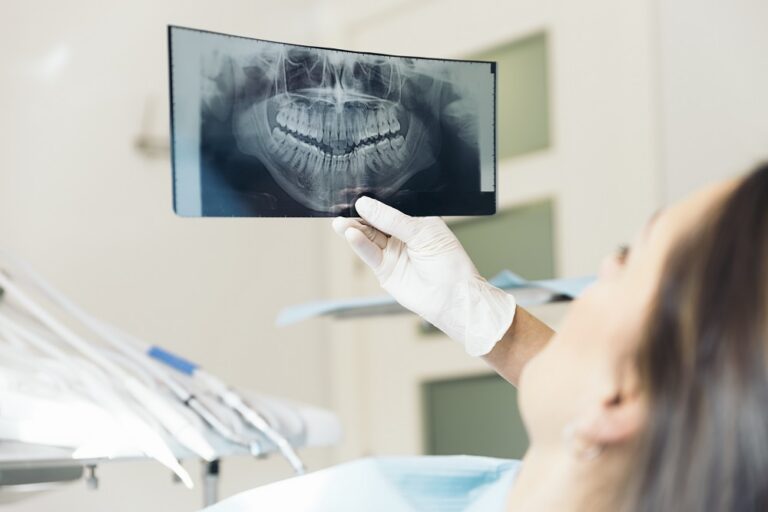
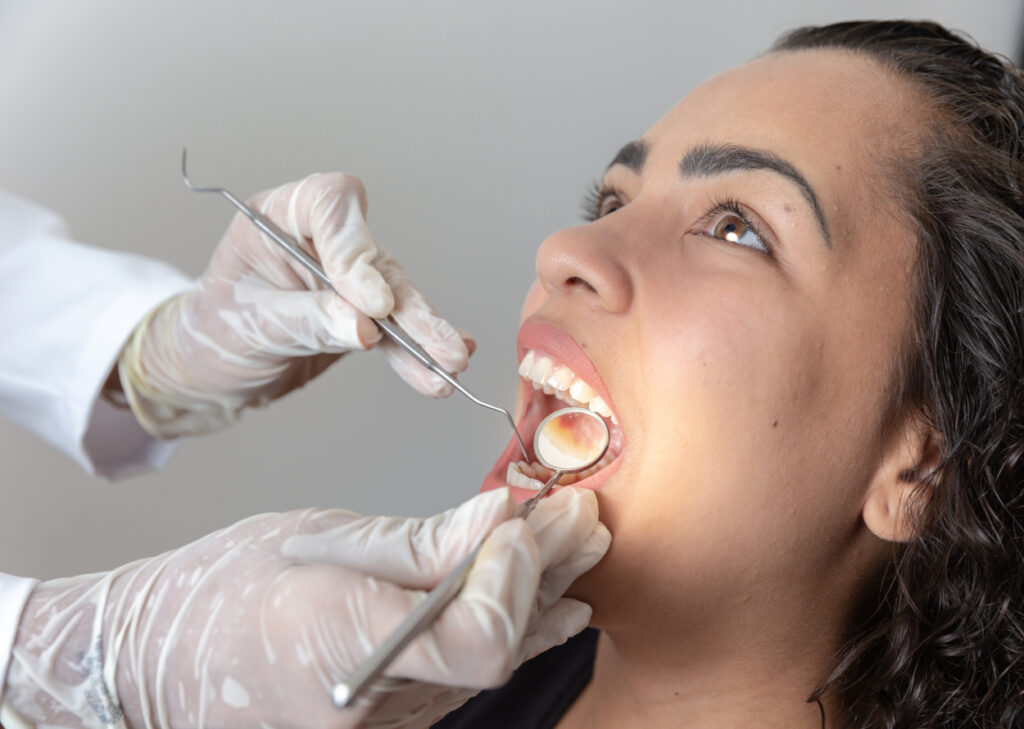

Gum disease rarely arrives with drama. Most people first notice small changes they can explain away, a little bleeding when brushing, persistent bad breath, tenderness near one tooth, gums that seem slightly lower than they were a year ago. By the time discomfort becomes obvious, the condition has often been present for quite a while. That slow, quiet progression is one reason periodontal care has changed so much over the years. Dentistry no longer treats gum disease as a simple matter of scraping away tartar and hoping for the best. Today, the field is far more precise, more conservative in some cases, and more strategic in others.
For patients looking into Periodontal Treatment Ventura, it helps to understand how older methods compare with newer ones. Traditional approaches still have an important place. In fact, many remain the foundation of successful care. Modern treatments, though, can improve comfort, shorten healing time, and preserve more healthy tissue when used appropriately. The real question is not whether old is bad and new is good. It is which method fits the severity of disease, the anatomy of the mouth, the patient’s medical history, and the long-term goal.
The basic problem periodontal treatment is trying to solve
Periodontal disease is an infection and inflammatory process affecting the gums, connective tissue, and bone that support the teeth. In the earliest stage, gingivitis, inflammation stays in the soft tissue and can often be reversed with professional cleaning and much better home care. Once the disease advances to periodontitis, the attachment between gum and tooth begins to break down. Pockets deepen. Bone can resorb. Teeth may loosen or drift.
That breakdown is not always proportional to pain. I have seen patients with advanced bone loss tell me they never felt much of anything, just occasional bleeding. I have also seen a patient with relatively moderate disease become alarmed by slight tenderness because the infection happened to be concentrated around a highly visible front tooth. Clinical severity and personal urgency do not always match, which is why a careful exam matters more than symptoms alone.
Traditional and modern periodontal treatments share the same goals: remove bacterial deposits, reduce inflammation, shrink or eliminate pathologic pockets, preserve teeth when possible, and create an environment a patient can maintain. Where they differ is in the tools, the level of precision, the way tissue is managed, and the patient experience.
What traditional periodontal treatment usually means
When dentists and periodontists refer to traditional therapy, they are often talking about methods that have been used successfully for decades. These include scaling and root planing, conventional periodontal surgery with scalpels, flap procedures to access deep deposits, osseous surgery to reshape bone when necessary, and gum grafting using established surgical techniques.
Scaling and root planing is the classic non-surgical starting point. Plaque and tartar are removed from above and below the gumline, and root surfaces are smoothed to make it harder for bacteria to recolonize. This is not a cosmetic cleaning. In areas with deeper pockets, it can be meticulous, time-consuming work, often done under local anesthesia over multiple visits.
Traditional surgical treatment comes into play when deep pockets remain after initial therapy or when anatomy prevents effective cleaning with non-surgical methods alone. A flap procedure allows the clinician to gently reflect the gum tissue, directly visualize calculus and diseased tissue, and thoroughly clean the root surfaces. If bone defects are irregular, reshaping may be performed to create contours the gum can adapt to more predictably.
These methods have stood the test of time for a reason. They are reliable, well studied, and often extremely effective, especially in moderate to advanced disease. They also have limits. Conventional surgery can mean more postoperative swelling, longer recovery, and greater recession in some cases. For the right patient, that trade-off is worth it. For another, especially one with localized disease or cosmetic concerns, a less invasive option may be attractive.
What makes modern periodontal treatment different
Modern periodontal care is less about replacing the old foundation and more about refining it. Advances have appeared in diagnostics, instrumentation, imaging, regenerative materials, and minimally invasive surgical techniques. Better lighting and magnification have also changed what clinicians can see and therefore what they can preserve.
Ultrasonic scalers with slimmer tips can remove tenacious deposits deep in pockets with less hand fatigue for the clinician and often less scraping sensation for the patient. Local antimicrobial agents may be placed in selected pockets after cleaning. Cone beam imaging can offer a three-dimensional look at bone architecture when conventional films leave unanswered questions. Laser-assisted procedures may be used in certain settings, though they should be evaluated with a clear eye rather than marketed as magic. Regenerative procedures can encourage the body to rebuild lost supporting structures in defects that have the right shape and biological conditions.
One of the most significant shifts has been the move toward targeted intervention. Instead of treating every diseased area exactly the same way, clinicians can tailor care to local conditions. A patient may receive scaling and root planing throughout the mouth, localized antimicrobial treatment in a few isolated pockets, a minimally invasive surgical approach around one molar with a vertical bony defect, and close maintenance rather than full traditional surgery elsewhere. That level of https://hectorkmwm498.dovetailscope.com/posts/how-gum-disease-advances-without-periodontal-treatment-in-ventura customization was harder to achieve in everyday practice a generation ago.
The classic workhorse, scaling and root planing, still matters
Patients sometimes assume that if a treatment has been around a long time, it must be outdated. In periodontal care, that assumption leads people in the wrong direction. Scaling and root planing remains the backbone of treatment because gum disease is fundamentally driven by biofilm and mineralized deposits. If those are not disrupted and removed, fancy technology will not rescue the situation.
The difference today is often in how this treatment is delivered. Modern instrumentation can make it more comfortable and thorough. Clinicians may combine hand instruments with ultrasonics rather than relying heavily on one or the other. They may use periodontal charting software to track exact pocket depths over time. They may reassess more strategically, usually several weeks after treatment, to see which pockets improved and which still need intervention.
A practical example helps here. Imagine a patient with generalized 4 to 5 millimeter pockets and a few isolated 6 millimeter sites, plus moderate bleeding on probing. Twenty years ago, that patient might have been told they needed deep cleaning and then “we’ll see.” Today, the deep cleaning is still appropriate, but the follow-up is often more analytical. Were the isolated deeper sites associated with furcation involvement, old restorations, smoking, grinding, or a specific home-care blind spot? Did the tissue tighten up nicely everywhere else? That second step, the interpretation of response, is where modern periodontal care often separates itself.
Surgery then and now, access versus conservation
Traditional periodontal surgery prioritized access. The clinician needed to see the root surfaces and bone clearly, so reflecting tissue more broadly made sense. This approach still works well in many cases, particularly when heavy subgingival calculus, irregular bone contours, or complex molar anatomy make blind instrumentation unrealistic.
Modern periodontal surgery often places more emphasis on conserving tissue and preserving esthetics. Smaller incisions, refined suturing, microsurgical principles, and minimally invasive flap designs can reduce trauma. In skilled hands, that can mean less recession, less postoperative discomfort, and a cleaner cosmetic result, especially in the smile zone.
That said, the modern approach is not automatically superior in every case. A broad, straightforward flap may be the most predictable option for a patient with extensive deposits, generalized advanced disease, and limited ability to return for repeated specialized procedures. A tiny, elegant access flap is only useful if it gives enough visibility to actually treat the defect properly. Predictability matters. Patients deserve results, not just a gentler-sounding procedure name.
Regeneration has changed expectations in the right cases
One area where modern care has clearly expanded possibilities is regeneration. Traditional treatment often focused on arresting disease and reshaping tissue into a maintainable form. That remains valuable, but regenerative procedures aim for more. In selected defects, clinicians may use bone graft materials, membranes, enamel matrix derivatives, or biologically active adjuncts to encourage regrowth of supporting structures.
The phrase “selected defects” is important. Regeneration works best when the defect anatomy is favorable. Narrow, deep vertical defects often respond better than broad horizontal bone loss. Smokers, patients with poorly controlled diabetes, and those with inconsistent plaque control may see less predictable outcomes. Skill, case selection, and patient cooperation all matter.
This is one of the places where expectations need careful management. Patients sometimes hear “bone graft” and assume the lost bone will come back fully. Sometimes meaningful improvement happens. Sometimes the main benefit is partial fill and better long-term tooth stability. Sometimes a graft is not the best use of time or money at all. Good periodontal treatment is not about selling the most advanced procedure, it is about matching the procedure to the biology in front of you.
Lasers, antimicrobials, and the appeal of newer tools
Modern periodontal treatment in Ventura often includes questions about lasers. Patients hear terms like laser gum therapy and assume this means a complete replacement for traditional cleaning or surgery. The reality is more nuanced. Lasers can assist with soft tissue management, bacterial reduction, and decontamination in certain protocols. They may reduce bleeding during treatment and can be useful adjuncts in selected cases.
They are not a universal substitute for mechanical debridement. If calculus is firmly attached to a root surface, it still needs to be removed. If bone architecture is unfavorable, a laser alone may not correct the problem. The best clinicians tend to describe lasers as one tool among several, not as a stand-alone cure.
Local antimicrobials occupy a similar middle ground. Small antibiotic or antiseptic agents can be placed directly into persistent pockets after cleaning. These can help in localized areas, especially when surgery is not ideal or when a patient has a few stubborn sites despite generally good improvement. They are usually adjuncts, not primary treatment.
Patients considering Periodontal Treatment Ventura should view these newer options as enhancements to a treatment plan, not as replacements for diagnosis, mechanical cleaning, and maintenance.
Comfort, healing, and the real patient experience
For many people, fear of discomfort delays care longer than cost or scheduling. That fear is often based on stories from relatives who underwent gum surgery decades ago and remember sore mouths, visible packing, and long recoveries. Some of those stories are fair. Older techniques could be rougher on tissue, and postoperative management was not always as refined.
Modern care often improves the experience in practical ways. Better local anesthesia techniques, lighter instrumentation, more precise surgical design, and stronger postoperative instructions all help. Patients may still feel tenderness, swelling, or sensitivity afterward, especially after deeper cleaning or surgery, but the process is usually more manageable than many expect.
Healing also depends heavily on what the mouth was like before treatment. Inflamed tissue bleeds more and can remain tender longer. Smokers often heal more slowly. Patients who clench or grind may experience more postoperative soreness in already stressed teeth. These variables matter as much as the brand name of the device being used.
A useful way to compare old and new approaches is to think in terms of trade-offs:
- Traditional methods often offer broad access and dependable results in advanced disease, but they may involve more tissue disruption.
- Modern minimally invasive techniques can improve comfort and esthetics, but they require careful case selection and technical precision.
- Regenerative treatments may preserve teeth that once had a poor outlook, but they are not indicated for every pattern of bone loss.
- Adjunctive tools like lasers or localized antimicrobials can help, but they do not replace thorough cleaning and long-term maintenance.
- The best outcomes usually come from combining proven fundamentals with modern refinements, not choosing one philosophy over the other.
Why maintenance matters more than the treatment style
This is the part many patients do not want to hear, even after accepting treatment. No periodontal procedure, traditional or modern, permanently “fixes” gum disease without maintenance. The bacterial ecosystem in the mouth begins reforming almost immediately. Deep pockets that have improved can worsen again if plaque control slips. Teeth that were saved with sophisticated regenerative care can still be lost if maintenance visits are missed for years.
Periodontal maintenance is not the same as a routine prophy cleaning. It is more focused, often more frequent, and centered on patients with a history of attachment loss. Three-month intervals are common, though some patients can eventually stretch farther and others should not. The schedule depends on bleeding, pocket depth, plaque control, medical risk factors, and how stable the condition remains over time.
I have seen patients invest heavily in excellent treatment, then undo much of the benefit by treating maintenance as optional. I have also seen patients with difficult periodontal histories keep their teeth for many years because they showed up consistently, accepted retreatment of isolated sites when necessary, and took home care seriously. The procedure starts the process. Maintenance determines whether the result lasts.
Choosing the right treatment in Ventura
Ventura patients tend to bring a wide range of priorities into the consultation room. Some care most about saving a back molar if possible because they want to avoid an extraction and implant. Others are focused on gum appearance around front teeth. Some want the least invasive path because of medical issues or dental anxiety. Others simply want the most predictable result, even if it involves a more traditional surgical route.
A sound treatment recommendation should account for several factors at once:
- how deep the pockets are and whether bone loss is horizontal or vertical
- whether the disease is localized or generalized
- whether the teeth are mobile, drifting, or affected by bite trauma
- smoking status, diabetes control, medications, and healing capacity
- the patient’s ability to maintain the result at home and in follow-up care
Those points may sound obvious, but they are exactly where overpromising happens. A treatment that looks elegant on paper can fail if the patient cannot realistically maintain it. A more conventional approach may serve better when the mouth needs stability first and refinement later.
When evaluating providers for Periodontal Treatment Ventura, patients should listen for clarity rather than sales language. A good explanation usually includes what is happening now, what can likely be improved, what cannot be restored completely, and what the maintenance burden will be afterward. If every problem is presented as simple and every result as guaranteed, caution is warranted.
Cost, value, and the temptation to compare procedures by price alone
Traditional treatment can sometimes look less expensive at the start, particularly when compared with regenerative surgery or technology-heavy procedures. Modern treatment can also save money in indirect ways if it reduces surgical extent, shortens chair time over the long term, or preserves a tooth that would otherwise be lost.
Still, price should be interpreted carefully. A lower fee for incomplete treatment is not value. Neither is an expensive plan loaded with adjuncts that do not materially improve the prognosis. Patients deserve transparency about what each phase is meant to achieve.
The most cost-effective periodontal care is usually the one that provides durable disease control with the least biological sacrifice. Sometimes that is straightforward scaling and root planing followed by excellent maintenance. Sometimes it is a traditional flap surgery that gives definitive access and prevents years of repeated inflammation. Sometimes it is a modern regenerative procedure that preserves a strategically important tooth. Value depends on the outcome, not the novelty of the method.
Where experience still outweighs technology
It is easy to focus on instruments and materials because they are visible and marketable. Yet periodontal treatment is still heavily dependent on clinical judgment. A seasoned periodontist or dentist knows when a 6 millimeter pocket is likely to respond to non-surgical care and when it probably will not. They know which furcation involvements can remain stable for years and which are likely to become chronic trouble spots. They know when recession risk around a front tooth should change the surgical plan. They know when the best treatment is not to save a questionable tooth at all.
That judgment comes from pattern recognition built over time. Technology helps, sometimes enormously, but it does not replace the ability to read tissue quality, assess patient habits honestly, and plan for five years rather than five weeks.
For patients in Ventura, the most useful comparison between traditional and modern periodontal treatment is not a battle between old and new. It is a question of fit. Traditional methods remain effective because gum disease still obeys basic biology. Modern methods improve how precisely and conservatively we can respond to that biology. The best care brings both together, using proven fundamentals, newer tools where they genuinely help, and enough honesty to explain what treatment can and cannot do.
Avra Dental
Address: 1708 S Victoria Ave B, Ventura, CA 93003
Phone number: (805) 941-1001
FAQ About Periodontal Treatment Ventura
Can a dentist get rid of periodontal disease?
A dentist or gum specialist (periodontist) cannot fully cure or reverse advanced periodontal disease (periodontitis), but they can successfully stop its progression and manage the infection.
Is periodontitis very serious?
Yes, periodontitis is a very serious, advanced form of gum disease that destroys the bone and tissues supporting your teeth.
How is stage 2 periodontal disease treated?
Stage 2 periodontal disease (early to moderate periodontitis) is primarily treated with non-surgical deep cleaning procedures like scaling and root planing to remove bacteria and tartar below the gumline.